In-Depth Product Analysis for Informed Consumer Choices

Best 5 Golf Swing Trainers of 2026
Practice Better for Smoother Golf Performance
Slicing your drive or losing massive yards because your hips spin out too early, or your weight stubbornly stays back on your right foot—the classic weight-transfer and body-rotation trap that ruins even the most athletic swing. We have all tried the mental hacks: telling yourself to “shift left,” trying to feel the rotation mid-swing, or filming your own swing on your phone only to realize your lower body completely stalled out right at impact.
Picture the feeling of a swing where your lower body finally drives the movement: your hips clear automatically, your weight shifts effortlessly onto your lead side before the club drops, and you unleash a crisp, powerful rotation that completely transforms your distance.
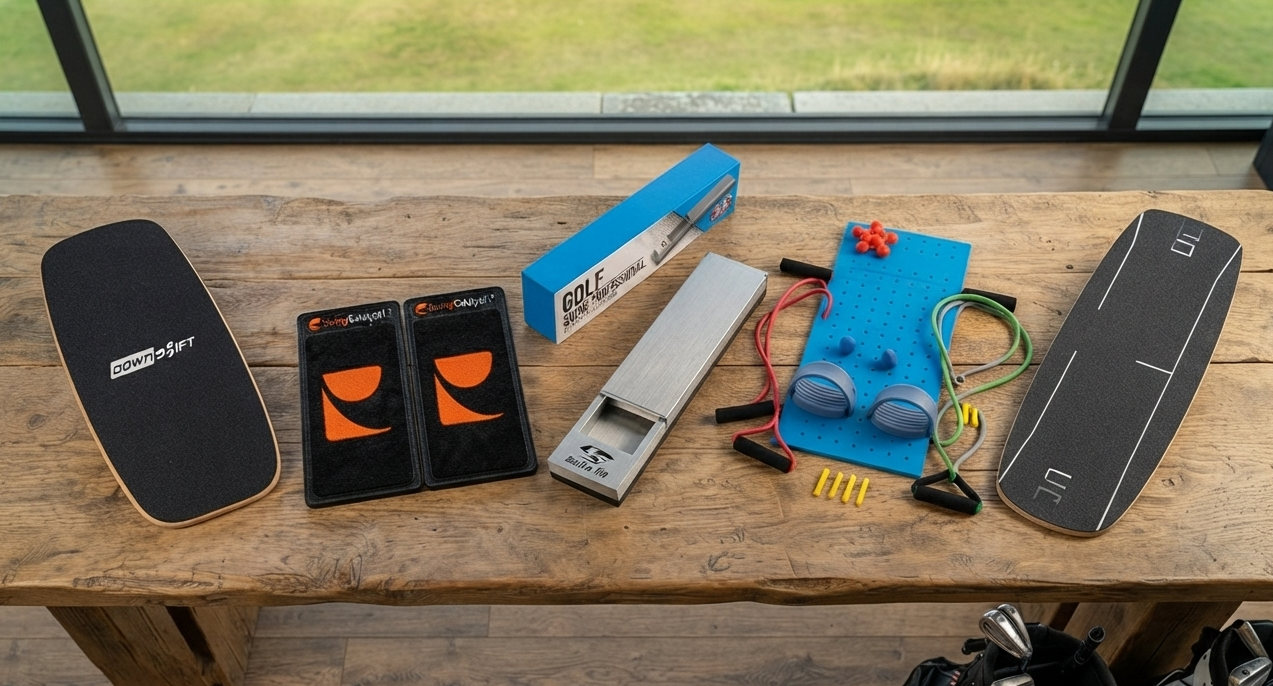
Real-world range testing across dozens of specialized devices quickly separated the gimmicks from actual training solutions—proving that elite performance requires pressure-shift indicators that instantly expose a hanging back foot, hip-rotation restrictors that eliminate lateral sliding, and ergonomic resistance systems designed to build explosive, repeatable sequencing.
Whether you’re dealing with the frustration of a weak, arms-only swing, the power loss of a stubborn reverse pivot, or the exhaustion of endless trial-and-error drills, this article will guide you to the ultimate kinetic training setup.
Let’s explore what separates ordinary training aids from true mechanical game-changers and break down the top 5 golf swing trainers that will fix your weight transfer, optimize your body rotation, and unlock a truly connected swing.

By Marcus Sterling
Marcus Sterling spent a decade as a PGA teaching professional on competitive tours before dedicating six years to analyzing golf training technology. Having personally tested over 60 swing correctors, weighted clubs, and feedback mirrors under real practice conditions, he hones in on lag-building mechanics, kinetic sequencing, and path correction to help golfers break bad habits and groove a pure, effortless swing.
Our Evaluation Standards
Swing Correction & Feedback
How effectively each trainer identifies swing issues, improves movement patterns, and helps golfers develop a more repeatable motion.
Practice Versatility
Training methods, adjustment options, and suitability for different skill levels were considered to understand how well each tool supports focused practice.
Feel & Ease of Use
Design comfort, setup simplicity, and how naturally the trainer fits into home practice or pre-round warm-ups were reviewed.
Construction & On-Course Convenience
Material quality, durability, storage options, and portability were considered for golfers who practice regularly in different locations.

from XXX
Overall Grade
A+
Rating
9.6/10
OVERALL ANALYSIS
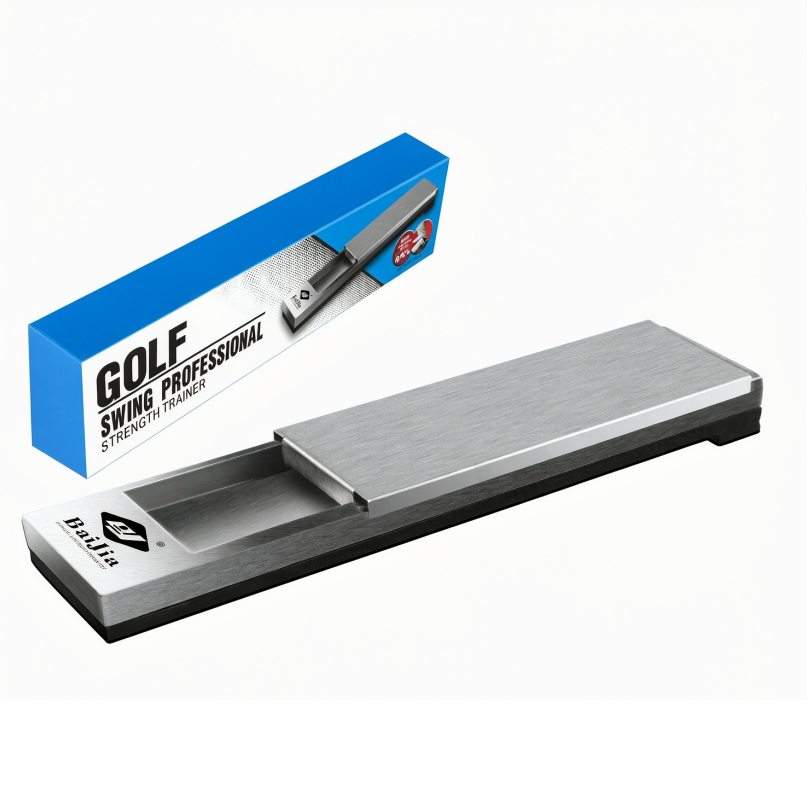
The XXX Golf Swing Trainer provides a focused way for golfers to improve swing mechanics, build consistency, and develop better power transfer without needing a full practice facility. Instead of relying only on repeated swings on the course, this training tool helps players reinforce key movements through structured practice, making it suitable for beginners building fundamentals as well as experienced golfers refining technique.
The biggest advantage comes from its ability to improve swing repetition and body coordination. The swing consistency training helps players develop muscle memory for more accurate ball striking, while the weight transfer guidance encourages smoother movement between the backswing and follow-through. By focusing on balance and timing, golfers can better understand how body movement influences overall shot performance.
Beyond arm movement, this trainer emphasizes complete swing mechanics. The full-body training approach engages core rotation and lower-body power, helping users create a more connected swing instead of relying only on upper-body force. The design also supports power improvement by improving force transfer, allowing golfers to build stronger and more efficient swings over time.
Stability is another important part of effective practice. The stance training function helps improve foot positioning and swing balance, giving players a more reliable foundation during every motion. Whether practicing indoors, in the garden, or on the range, the compact structure makes it easy to include swing drills in everyday routines.
Built for repeated use, the durable metal construction provides a stable training experience while handling regular practice sessions. Its portable design also makes it convenient for golfers who want to maintain their form outside traditional training environments.
With its combination of consistent practice, improved balance, power development, and portable usability, the XXX Golf Swing Trainer offers a practical solution for golfers looking to strengthen their technique and build more confident swings.
Pros
Swing consistency – Builds muscle memory for accurate ball striking
Weight transfer training – Guides proper weight shift and swing balance
Full-body swing mechanics – Trains core rotation and lower-body power
Power improvement – Enhances force transfer for longer shots
Stable stance training – Improves foot position and swing stability
Portable practice design – Compact for indoor and outdoor use
Durable metal construction – Built for repeated training
Cons
Often out of stock due to high demand
Delivery is typically 1-2 days longer than leading competitors
THE RESULT
The XXX Golf Swing Trainer is a focused practice tool that helps golfers improve swing consistency, body coordination, and power transfer through repeated training. Its compact design makes it easy to practice at home, on the range, or outdoors, while the stable structure supports regular drills for better balance and control. A popular choice among golfers looking to refine their technique, it is recommended to order early as stock may become limited during high-demand periods.

from Downshift
Overall Grade
B+
Rating
9.3/10
OVERALL ANALYSIS
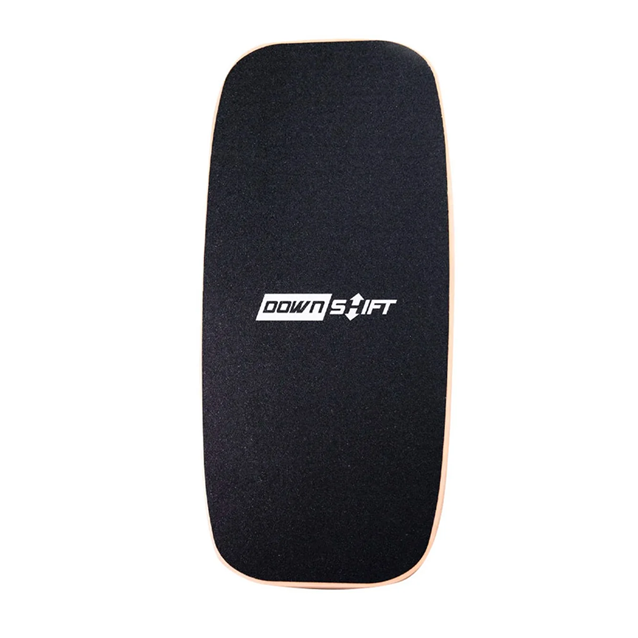
The Downshift Golf Swing Trainer takes a more focused approach to swing improvement by helping golfers understand weight transfer, lower-body movement, and ground force during the swing. Instead of simply repeating swing motions, it helps users build awareness of how pressure moves through the feet and how the lower body contributes to power.
Its compact design makes it easy to add into home practice routines, while the clear training guidance helps beginners better understand concepts that are often difficult to feel. By connecting foot pressure with body rotation, it can support better swing sequencing and more efficient movement.
The trade-off is that Downshift concentrates on one specific part of the swing. The limited full swing practice and basic feedback system mean it cannot replace a complete swing analysis tool. Users also need time and space to develop consistent pressure control during practice.
Downshift stands out by turning an invisible part of the swing into something golfers can physically feel and practice. It is especially useful for improving weight shift habits, although players wanting detailed swing data or complete technique analysis may need additional training tools.
Pros
- Weight shift feedback – Helps feel pressure changes between feet
- Lower-body activation – Encourages better leg and hip power
- Swing sequence improvement – Connects foot pressure with rotation
- Clear training guidance – Makes ground force easier to understand
- Compact design – Fits easily into home practice areas
- Beginner-friendly – Simplifies swing concepts
Cons
Learning curve – Takes time to build pressure control
Limited swing practice – Focuses on weight transfer only
Space requirement – Needs room for practice
Limited feedback display – Offers less swing data than advanced systems

from Swing Catalyst
Overall Grade
B+
Rating
9.0/10
OVERALL ANALYSIS
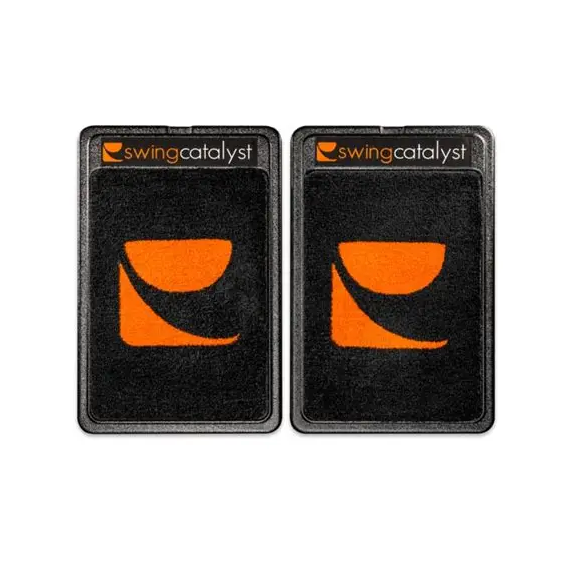
The Swing Catalyst Golf Swing Trainer is built around detailed pressure analysis, helping golfers see how their feet, balance, and body movement contribute to the swing. Rather than focusing only on the final result of a shot, it provides a closer look at the mechanics behind power generation and consistency.
The system’s biggest advantage is the level of insight it provides. Coaches and experienced players can use the data to identify movement patterns, refine technique, and make more informed adjustments during training. This makes it a valuable tool for structured practice and long-term development.
However, the professional-level design also creates some limitations. The complex operation, fixed setup, and higher learning demands may not suit golfers who prefer a simpler training experience. It also requires more space and preparation than basic swing aids.
Swing Catalyst brings measurement and accuracy into swing practice, making hidden movement patterns easier to understand. For golfers committed to improving technique, it offers valuable feedback, while casual players may prefer a more straightforward training solution.
Pros
- Pressure mapping – Visualizes how force moves through the feet during swings
- Advanced analysis – Provides detailed insights into swing mechanics
- Performance feedback – Helps refine balance and power generation
- Training support – Assists coaches with accurate swing evaluation
- Data-driven practice – Makes improvement easier to track over time
Cons
- High cost – Requires a larger investment than simple tools
- Complex operation – Takes time to understand all features
- Limited portability – Better suited for fixed training spaces
- Steep learning curve – May overwhelm beginner golfers
- Professional focus – More suitable for serious players than casual users

from Force
Overall Grade
C+
Rating
8.8/10
OVERALL ANALYSIS
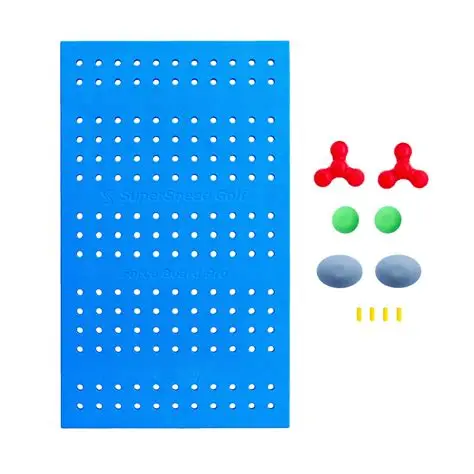
The Force Golf Swing Trainer is a focused training aid designed to help golfers improve how they use their lower body during the swing. By emphasizing ground force, foot pressure, and weight transfer, it helps players better understand how power starts from the ground and moves through the body.
What makes this trainer different is its simple approach to swing improvement. Instead of relying on complex technology or detailed data, it encourages golfers to build better movement habits through repeated practice and physical feedback. This makes it easier to focus on one of the most important parts of an efficient swing.
The compact design also allows it to fit into home practice routines without requiring a large setup. However, its limited feedback and narrow training focus mean it cannot provide the complete swing analysis available from more advanced systems. Beginners may also need some basic swing knowledge to get the most value from the training process.
For golfers looking to improve power transfer and lower-body coordination, the Force Golf Swing Trainer offers a straightforward way to practice key mechanics. While it lacks the detailed insights of professional analysis tools, its simplicity can be an advantage for focused skill development.
Pros
- Ground force training – Helps golfers use the ground for power
- Weight transfer practice – Improves lower-body movement through foot pressure
- Swing power improvement – Supports better energy transfer during swings
- Simple training design – Makes practice easy without complex systems
Cons
- Limited feedback – Provides less data than digital trainers
- Narrow training focus – Mainly targets lower-body mechanics
- Practice space needed – Requires room for proper movement
- Learning adjustment – Takes time to build new movement habits
- Less suitable for beginners – May require basic swing knowledge

Overall Grade
C
Rating
8.5/10
OVERALL ANALYSIS
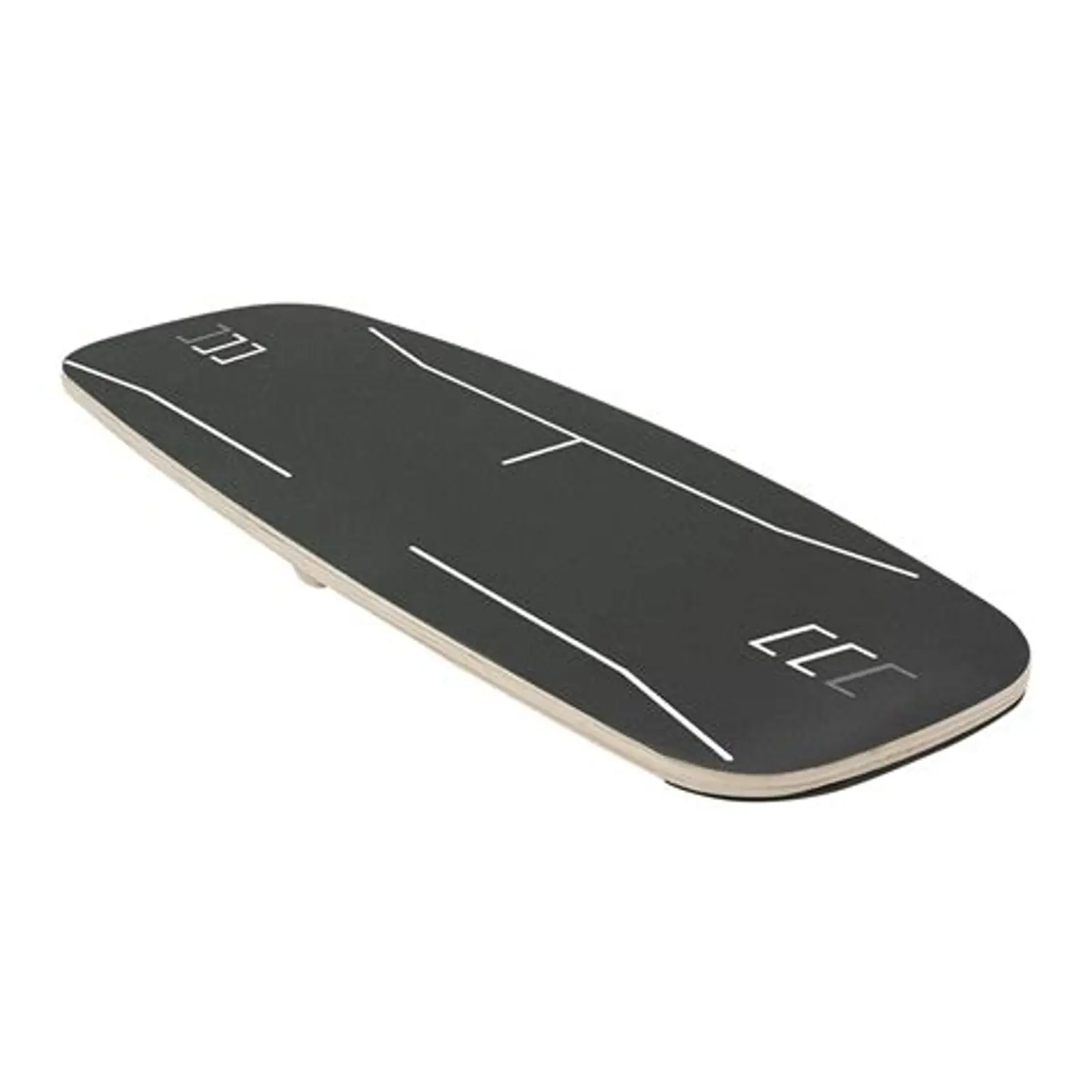
The Viper Golf Swing Trainer takes a simple approach to swing practice by focusing on balance control, body awareness, and a more stable setup. Instead of using complex sensors or detailed analytics, it helps golfers pay closer attention to posture and movement during the swing.
Its compact design makes it easy to keep at home and use as part of regular practice. By building better awareness of body position and balance, it can help golfers develop more consistent habits before moving on to more advanced training methods.
The limitation is that Viper stays focused on basic movement fundamentals. The lack of advanced features, limited training range, and slower progression may not satisfy experienced players looking to improve swing speed, power, or detailed mechanics. It also requires regular practice and enough space to use effectively.
Viper works best as a foundation tool for golfers who want to improve stability and body control. It offers a straightforward training experience, but players seeking deeper swing analysis or performance tracking may need a more specialized system.
Pros
- Balance control – Helps golfers maintain a stable setup during swings
- Body awareness – Improves understanding of posture and movement
- Easy storage – Compact size fits well in home practice areas
Cons
Limited versatility – Does not cover many swing training aspects
Basic design – Lacks advanced features and technology
Slower progression – May not provide enough challenge over time
Practice adjustment – Requires regular use to see improvement
Not for power training – Offers less support for speed development
Space needed – Requires a clear area for proper use
What is a Golf Swing Trainer?
A golf swing trainer is a practice device designed to help golfers improve swing mechanics, body movement, and overall consistency. These training aids are commonly used at home, on the driving range, or during lessons to help players build better habits without always needing a full course setup.
Designed to improve specific parts of the swing, golf swing trainers may focus on areas such as weight transfer, balance, rotation, swing path, tempo, or power generation. Many models use physical feedback, resistance, alignment guides, or pressure-based systems to help golfers better understand their movement patterns.
Unlike standard practice equipment, swing trainers are built around correcting common technique issues and reinforcing proper body coordination. Some advanced systems include pressure analysis or motion feedback, while simpler designs focus on improving feel and repetition through regular practice.
Quality golf swing trainers support skill development by helping golfers recognize mistakes, refine movement, and create more consistent swings. They provide a convenient way to practice key techniques, improve body control, and develop better performance habits over time.
Benefits of Golf Swing Trainer
Improved swing mechanics: Helps golfers refine body movement, timing, and technique through focused practice.
Better weight transfer: Encourages proper pressure movement between the feet to improve lower-body involvement.
Enhanced body awareness: Helps players understand posture, balance, and movement patterns during swings.
Power development support: Trains golfers to use ground force and body rotation more efficiently.
Consistent practice routine: Allows users to repeat specific drills at home or on the range without needing a coach every time.
Skill improvement feedback: Provides physical or digital guidance to help identify and correct swing issues.
Home training convenience: Compact designs make it easier to practice important swing elements in limited spaces.
Suitable for different skill levels: Offers useful training support for beginners learning fundamentals and experienced players refining technique.
Things To Consider When Choosing a Golf Swing Trainer
Training Purpose – Check whether the trainer focuses on your specific needs, such as weight transfer, balance, rotation, swing path, or power development.
Feedback Method – Consider whether the device provides physical guidance, visual feedback, or digital analysis to help identify and improve swing issues.
Training Effectiveness – Look at how well the trainer helps build correct movement habits through repeated practice and consistent drills.
Body Movement Support – Evaluate whether the design encourages proper posture, lower-body involvement, and efficient swing mechanics.
Ease of Practice – Consider setup, learning difficulty, and daily usability, as simple operation makes regular training easier to maintain.
Size and Portability – Check the overall design and storage convenience to ensure it fits your home, garage, or practice area.
Build Quality and Durability – Choose a reliable trainer with sturdy materials and stable performance for long-term golf practice.
What To Avoid When Choosing a Golf Swing Trainer
Limited training focus – Avoid trainers that only address one small aspect of the swing, as they may not provide enough support for overall improvement.
Poor feedback quality – Stay away from models with unclear guidance, as they can make it difficult to understand and correct movement issues.
Uncomfortable design – Avoid bulky or awkward trainers, as they may reduce practice comfort and make regular use less convenient.
Complicated operation – Do not choose systems with difficult setup or confusing controls, as they can interrupt the practice process.
Weak build quality – Avoid models made with fragile materials, as they may affect durability during repeated training sessions.
By Marcus Sterling
Marcus Sterling spent a decade as a PGA teaching professional on competitive tours before dedicating six years to analyzing golf training technology. Having personally tested over 60 swing correctors, weighted clubs, and feedback mirrors under real practice conditions, he hones in on lag-building mechanics, kinetic sequencing, and path correction to help golfers break bad habits and groove a pure, effortless swing.